Walk the route empty handed
Trace the path from parking to working position. Identify raised transitions, rugs and narrow turns. These details determine whether mobility adds convenience or creates another object you must lift and maneuver.
Compare wheel information
Read the maker's description and instructions for the selected model. Avoid inferring loaded performance from wheel appearance or claims made about another cart. Ask for clarification if the intended surface is not addressed.
Plan a realistic load
Separate the objects that stay on the cart during movement from those removed first. A cart intended as movable storage should remain convenient with its normal contents, not only when completely empty.
Choose stationary storage when appropriate
If the main route includes a difficult transition, a fixed storage unit and a lightweight carrying tray may suit the task better. The decision should reflect actual movement rather than the appeal of wheels.
Illustrative scenario: a pantry cart would need to cross a raised doorway edge every evening. Keeping supplies near the kitchen and carrying only the current task items may reduce effort without introducing another furniture route.
Continue your research.
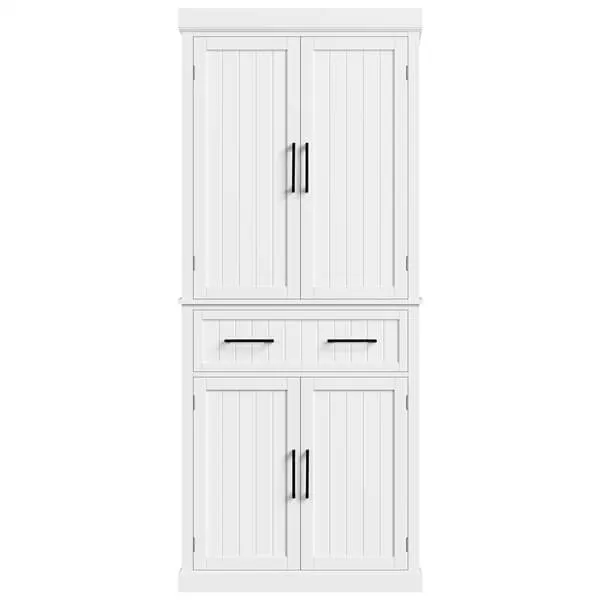
72.5″ H Kitchen Pantry Cabinet
Plan where this storage format would sit in your kitchen.
Read the existing model research →References & research notes
These references inform the decision process. Numerical examples are illustrative unless explicitly attributed; they are not specifications for the linked products. Product links are examples to investigate, not confirmation that they fit your space. Verify the exact model and its current manufacturer instructions before ordering.
Created with AI assistance and reviewed for internal consistency, source relevance and links. We have not physically tested the featured products. Affiliate disclosure.