Set each activity at its real size
Draw the sofa group with reachable surfaces and the dining table with chairs pulled out. Empty furniture outlines underestimate both areas. Compare the two arrangements together so one zone does not appear compact only because the other is temporarily unused.
Identify the shared movement
Trace trips between the kitchen, seats and room entrances. That shared route often defines the transition more clearly than another piece of furniture. Keep it legible rather than placing a divider where everyone naturally needs to cross.
Choose a boundary with a job
A sofa back, low cabinet or deliberate gap can all distinguish areas. If a new storage piece is considered, name what it will hold and how it opens. A divider that contributes no needed function may simply consume the flexibility that made the open room useful.
Test simultaneous occupation
Have people sit in both zones during the mockup. Check whether diners can get out and someone can reach the sofa without disturbing another activity. The arrangement is successful when the room works together, not just when each side looks attractive in isolation.
For example, a sofa back may already mark the living zone clearly. If a proposed shelf behind it obstructs dining-chair access, the room may need no additional boundary at all.
Continue your research.
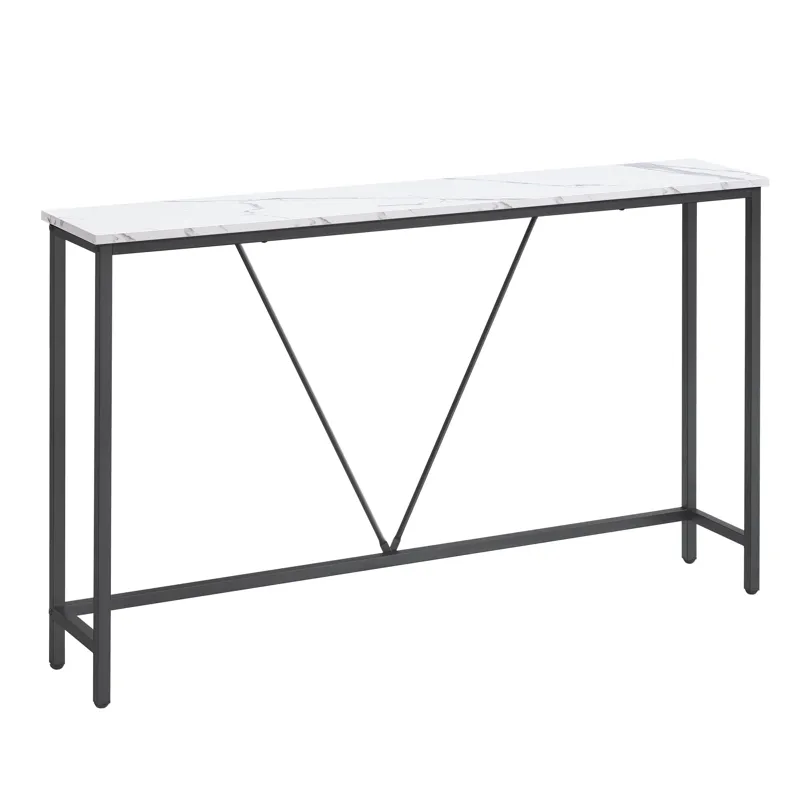
Console Table, Sofa Table, Narrow Entryway Table
Check the usable storage openings rather than only the exterior dimensions.
Read the existing model research →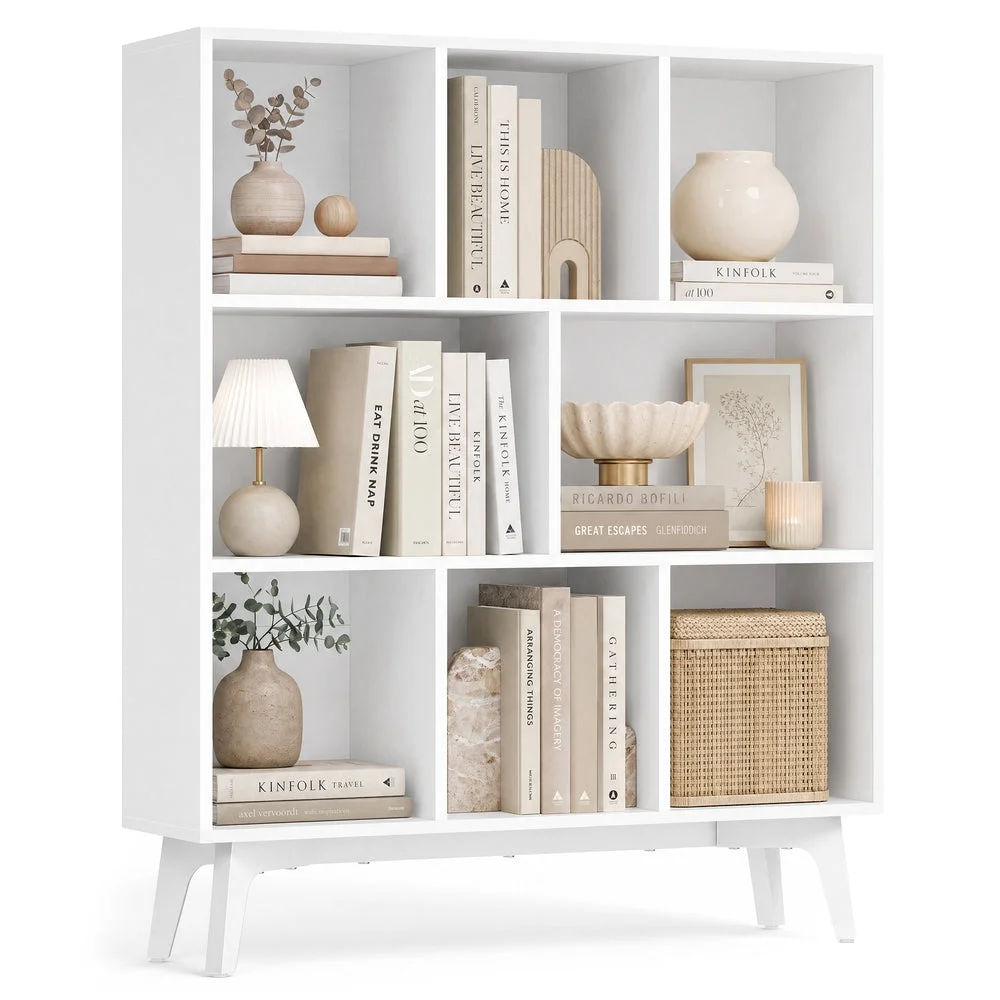
Mid-Century Modern 8-Cube Bookshelf
Use vertical shelves to group books and everyday objects.
Read the existing model research →References & research notes
These references inform the decision process. Numerical examples are illustrative unless explicitly attributed; they are not specifications for the linked products. Product links are examples to investigate, not confirmation that they fit your space. Verify the exact model and its current manufacturer instructions before ordering.
- IKEA: How does sofa planning work?
- IKEA: How to furnish your living room with open and closed storage
- Room & Board: How to Design a Dining Room
Created with AI assistance and reviewed for internal consistency, source relevance and links. We have not physically tested the featured products. Affiliate disclosure.